Fleet Preventive Maintenance for Trucks Running US-101 in Sonoma County
Regular fleet preventive maintenance helps reduce unexpected breakdowns along US-101 in Sonoma County. Find out which truck systems need attention, how to set service intervals, and how to keep your fleet ready for daily routes.
A truck can complete hundreds of trips along US-101 without showing a clear sign of trouble. Then a worn belt, low tire pressure, or coolant leak can stop a delivery and disrupt the rest of your schedule. For Sonoma County fleet managers, fleet preventive maintenance helps identify these problems before they cause an unexpected breakdown.
Why Is Preventive Maintenance Important for Trucks on US-101?
US-101 connects major commercial areas throughout Sonoma County, including Petaluma, Rohnert Park, Santa Rosa, Windsor, and Healdsburg. Trucks that use this corridor regularly must operate in traffic, make frequent stops, and handle changing loads. These conditions can increase wear on certain vehicle components, depending on the route and type of work.
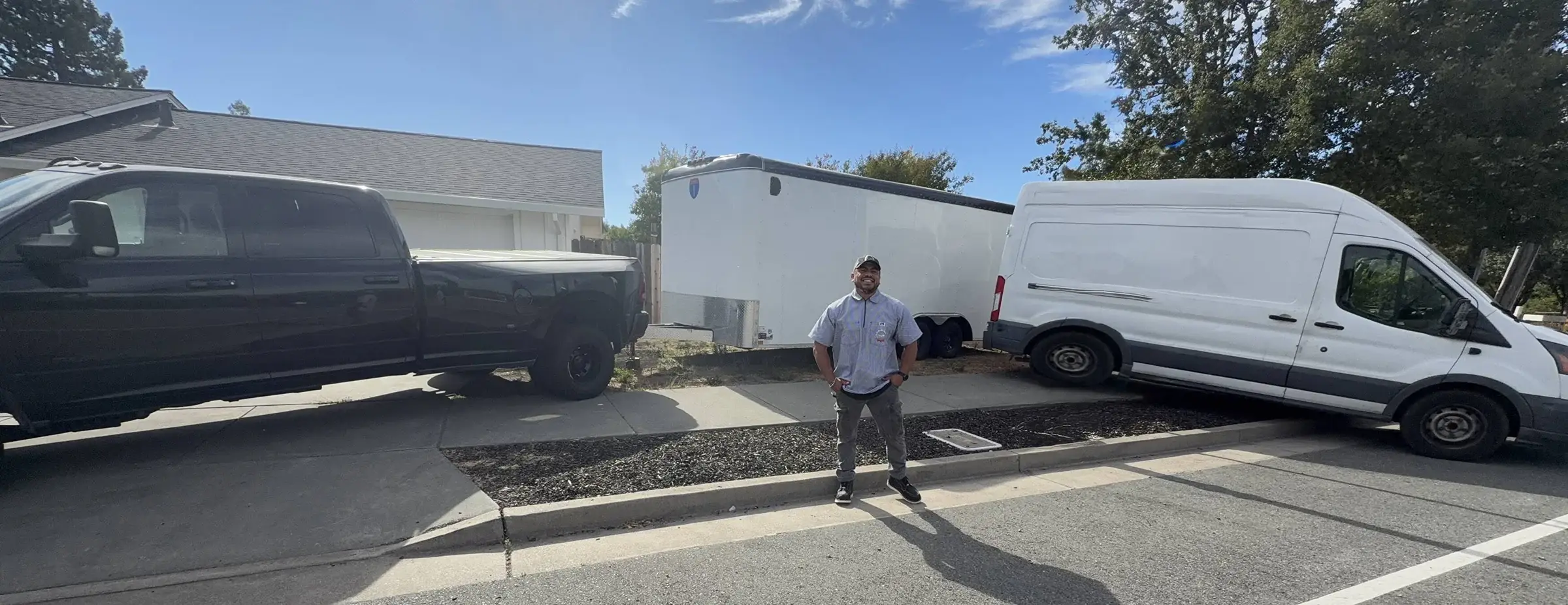
A planned commercial truck maintenance schedule allows fleet managers to identify developing problems and arrange repairs before they affect deliveries. Dynamic Auto & Truck Repair provides mobile preventive maintenance for commercial vehicles in Sonoma County, helping businesses service their trucks at fleet yards and other suitable locations.
What Should a Fleet Preventive Maintenance Inspection Include?
A good maintenance program must cover more than oil changes. Each inspection should examine the systems that affect vehicle operation, road safety, and reliability.
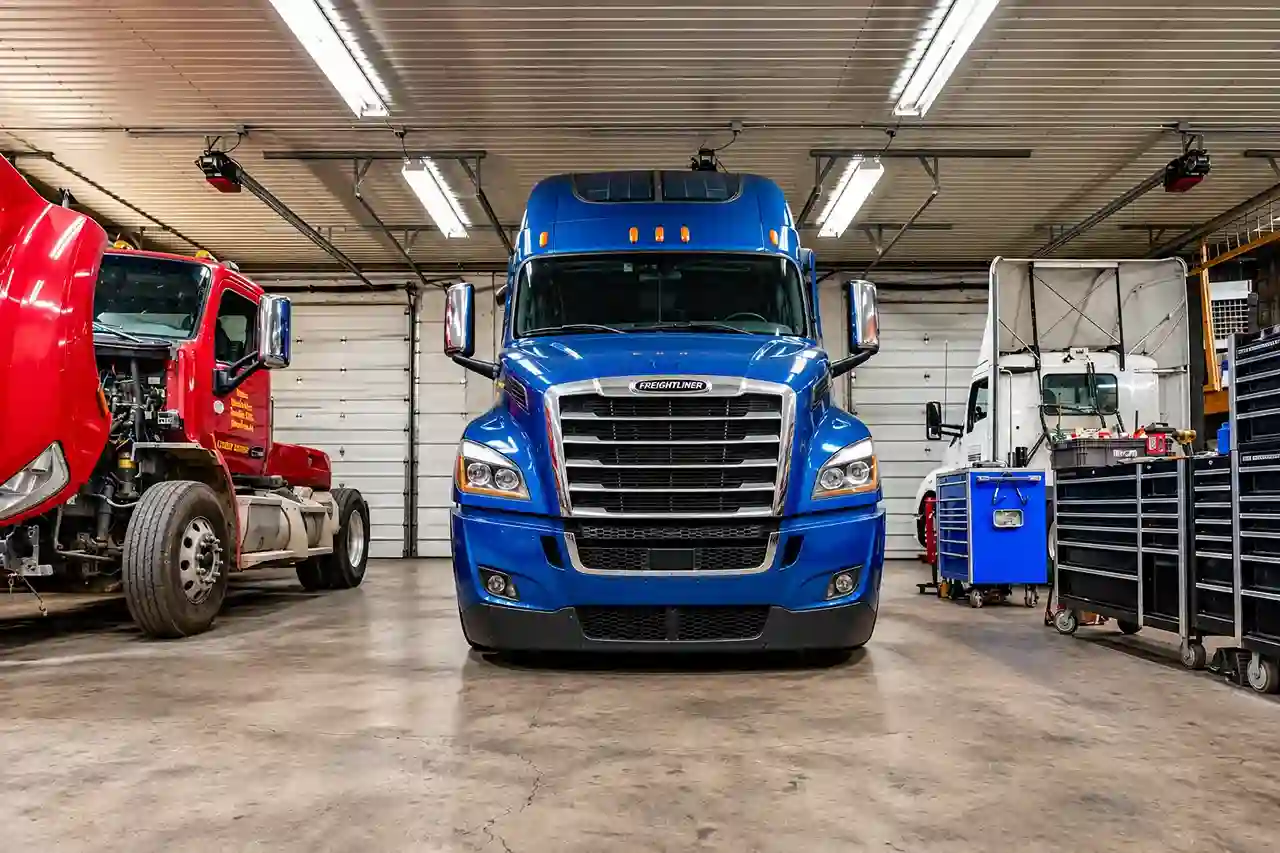
The exact maintenance tasks depend on the truck's design, mileage, engine hours, and manufacturer requirements. However, a heavy-duty truck maintenance checklist should address several important areas:
- Engine Oil and Fluid Levels: Check engine oil, coolant, transmission fluid, and other applicable fluids. Look for leaks, contamination, or changes that could indicate a developing problem.
- Brake System Inspection: Check brake components for wear, damage, and correct operation. On trucks with air brakes, inspect applicable air lines, chambers, and related components.
- Tire Condition and Pressure: Measure tire pressure, inspect tread depth, and look for uneven wear or physical damage that could affect handling.
- Cooling System Inspection: Examine radiator hoses, coolant levels, connections, and other accessible components for leaks or deterioration.
- Battery and Charging System: Check battery condition, terminals, cables, and charging performance to identify problems that could prevent the truck from starting.
- Steering and Suspension: Inspect applicable joints, bushings, springs, and other components for wear or damage that could affect vehicle control.
- Filters and Lubrication: Replace filters when required and lubricate applicable chassis components according to the maintenance schedule.
These inspections help technicians identify defects while the truck is available for service. They also allow fleet managers to prioritize necessary repairs before the next scheduled route.
How Often Should Commercial Trucks Receive Preventive Maintenance?
There is no single maintenance interval that applies to every commercial truck. Manufacturers specify service requirements based on vehicle design, mileage, engine hours, and operating conditions.
A truck that makes frequent local deliveries may need different attention than a vehicle that spends most of its time traveling at steady highway speeds. Short trips, repeated idling, heavy loads, and frequent stops can also affect maintenance needs.
Fleet managers should use manufacturer recommendations as the starting point and adjust their inspection plans when operating conditions require it.
A practical fleet maintenance scheduling process includes three steps:
- Review manufacturer service intervals: Identify the required mileage, time, or engine-hour limits for each vehicle.
- Track operating conditions: Record mileage, engine hours, route demands, and recurring faults to identify vehicles that need closer monitoring.
- Plan service before the due date: Schedule maintenance during available periods so inspections do not interfere with essential deliveries.
A structured schedule also makes it easier to review the fleet maintenance cost trends that affect commercial vehicle operations. Tracking service expenses and unexpected repairs can help you identify where maintenance changes may reduce future costs.
Which Truck Problems Should Fleet Managers Address Before a US-101 Trip?
Drivers often notice small changes before a component fails. These warning signs deserve attention, even when the truck can still complete its assigned route.
For fleets operating around Santa Rosa and the North Bay, watch for:
- Repeated coolant loss: A falling coolant level may indicate a leak that needs inspection before the engine overheats.
- Uneven tire wear: Irregular tread wear can indicate incorrect tire pressure, alignment problems, or worn steering and suspension components.
- Slow engine cranking: Weak battery performance, damaged cables, or starting-system faults can cause difficult starts.
- Brake performance changes: Unusual noises, pulling during braking, or changes in pedal response can indicate a problem that requires immediate evaluation.
- Fluid leaks: Oil, coolant, or other fluid beneath a parked truck can signal damaged seals, hoses, fittings, or other components.
- Recurring dashboard warnings: An intermittent warning may indicate an active problem even when the truck appears to operate normally.
Do not assume that a warning light identifies the failed component. A fault code shows where the vehicle detected a problem, but additional testing may be necessary to find the cause.
Fleet managers who want to understand this process can review our guide to diesel truck diagnostic tests. It explains how technicians use fault information, electronic data, and physical testing to identify vehicle problems before recommending repairs.
How Can Mobile Preventive Maintenance Reduce Fleet Downtime?
Taking multiple commercial trucks out of service for maintenance can disrupt daily operations. Mobile preventive maintenance helps Sonoma County fleets complete qualifying inspections and routine services at their yard or another suitable location, reducing unnecessary trips to a repair facility.
Benefits of mobile fleet preventive maintenance include:
- Less Vehicle Travel: Reduce trips to repair shops by completing qualifying maintenance at your fleet's location.
- Flexible Scheduling: Arrange service around delivery routes, work shifts, and vehicle availability.
- Multiple Trucks Serviced: Coordinate maintenance for several vehicles during a scheduled visit.
- Early Problem Detection: Identify worn components, fluid leaks, and developing issues before they cause unexpected breakdowns.
- Reduced Operational Disruption: Keep more trucks available for daily work by limiting unnecessary time away from your fleet.
- Better Maintenance Planning: Stay on top of routine service intervals and address potential problems before they affect operations.
How Should Fleet Managers Track Preventive Maintenance?
A maintenance record should show more than the date of the last oil change. It should help you identify completed work, open defects, and the next service due for each truck.
A useful commercial vehicle maintenance record includes the vehicle identification number, mileage, engine hours when applicable, service date, completed inspections, replaced parts, and recommended follow-up work.
Keep driver reports with these records whenever possible. A recurring problem may not appear during a scheduled inspection, but several reports about the same symptom can help technicians investigate it.
Consistent preventive maintenance strategies also support better repair planning. When fleet managers document defects and track follow-up actions, they can distinguish completed repairs from problems that still need attention. This process helps prevent minor findings from disappearing between service appointments.
Schedule Fleet Maintenance Before Problems Interrupt Your Routes
Reliable fleet operations depend on regular inspections, correct service intervals, and prompt attention to developing problems. For commercial trucks running US-101, a consistent maintenance program helps reduce the risk of unexpected stops and gives fleet managers more control over service planning.
Dynamic Auto & Truck Repair provides mobile truck preventive maintenance in Sonoma County, including Santa Rosa and surrounding communities.
What Our Clients Say About Us
Omar is professional, always on time and thorough with all his diagnoses. I use him for all of my vehicles regular maintenance's and will continue to use him for the foreseeable future!

Very knowledgeable ,honest and great service . Has worked on multiple vehicles for me and has always done an amazing job . Dont hesitate to reach out for all your car troubles ,you won’t be disappointed. Thank you again for all your hard work !
I recently had the opportunity to work with Omar from Dynamic, and I was truly impressed. After being taken advantage of by my previous 'mechanic,' who had taken apart my car engine and put it back together incorrectly, Omar quickly identified all the issues and kept me informed throughout the entire process.He fixed all the problems, and now my car is running great! He was both friendly and professional, and the quality of his work was outstanding. I really appreciated his punctuality and reliability. Everything was completed with a high level of professionalism, and the prices were very reasonable for the quality of service I received. I highly recommend Omar to anyone in need of honest and skilled car care.Thank you so much!
Very knowledgeable ,honest and great service . Has worked on multiple vehicles for me and has always done an amazing job . Dont hesitate to reach out for all your car troubles ,you won’t be disappointed. Thank you again for all your hard work !
DynaMic Auto Repair is top notch, Omar is professional, timely, he returns calls, he is a very knowledgeable mechanic. I would recommend him to everyone.
Contact Dynamic Auto & Truck Repair
Based in Santa Rosa, CA, Dynamic Auto & Truck Repair proudly provides trusted mobile truck & commercial fleet repairs throughout Sonoma & Napa County. Get in touch with any questions, to request a quote, and to schedule mobile service.